WE CAN use the term ‘hydrocide’ — short for hydrological genocide — to describe the deliberate manipulation of water resources in ways that systematically undermine the survival of vulnerable populations. Nowhere is this concept more evident than in the context of India and Bangladesh, where large-scale water diversion projects and dam constructions have placed Bangladesh in a precarious situation, threatening its water security, livelihoods and ecological balance.
A lifeline at risk
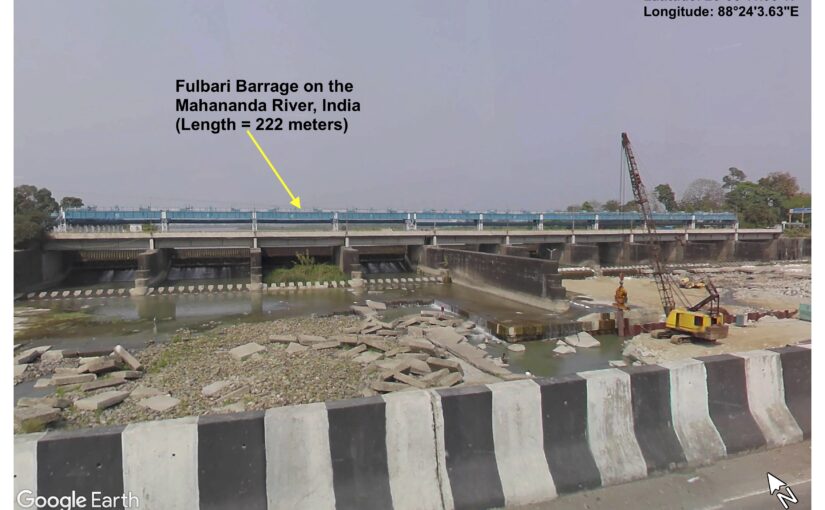
BANGLADESH, a downstream country, relies heavily on the more than 50 transboundary rivers that flow from India to sustain its agriculture, fisheries and daily water needs. Rivers like the Teesta and the Mahananda are critical to the livelihoods of millions of Bangladeshis, but the construction of dams, barrages and water diversion structures on the Indian side has drastically reduced the flow of water into Bangladesh. The proximity of these projects to the Bangladesh border raises concerns about deliberate water control and mismanagement that severely impact Bangladesh’s ability to access this vital resource.
Water disputes: dry season droughts and monsoon floods
THE effects of these interventions are felt most acutely during the dry season, when the flow of rivers such as the Teesta is significantly reduced, leading to widespread water shortages. Farmers are forced to rely heavily on groundwater extraction to irrigate their crops, causing severe groundwater depletion. Decreased river flow also leads to increased salinity in coastal areas, which harms ecosystems, reduces agricultural productivity and further threatens food security.
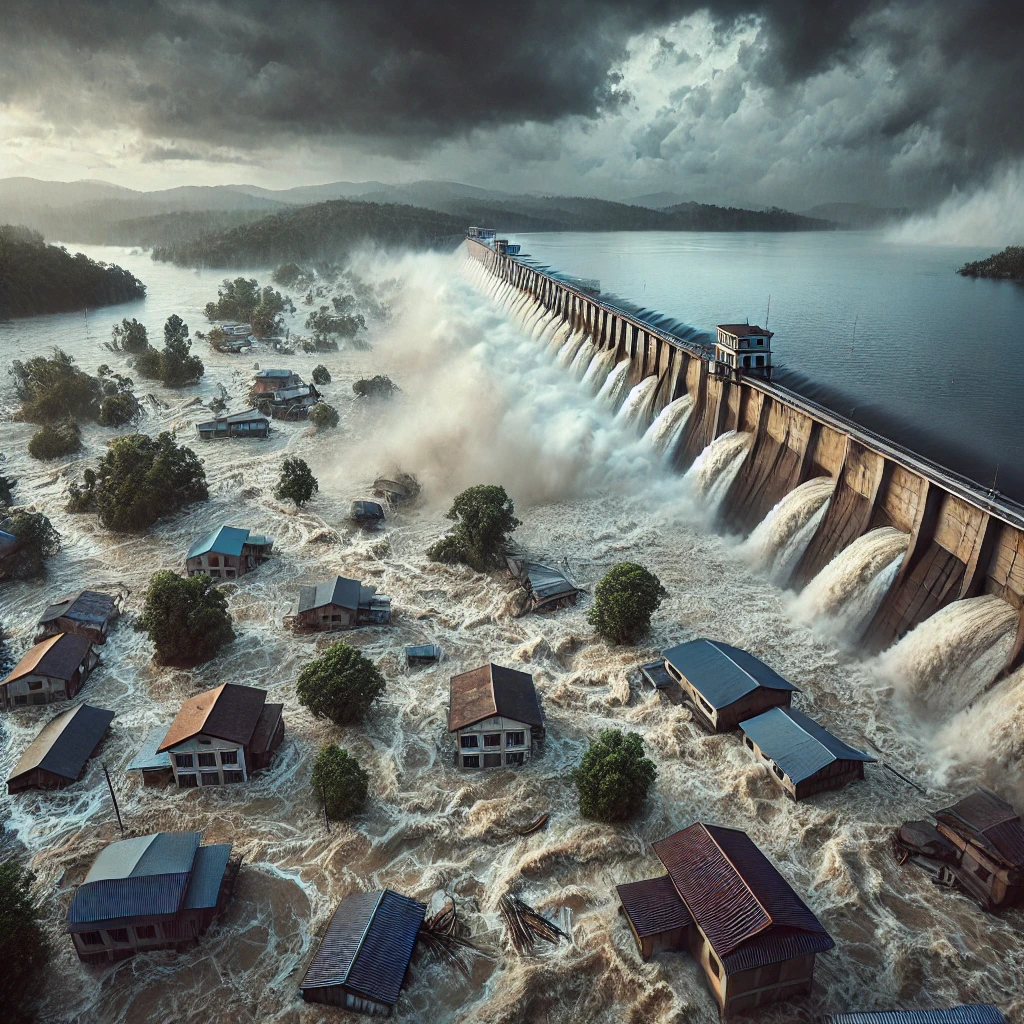
On the flip side, during the monsoon season, the sudden release of water from upstream dams often triggers devastating floods in Bangladesh. These artificial floods destroy crops, displace communities, and erode riverbanks, destabilising both the environment and the livelihoods of those living near the rivers. The unpredictable management of water flow creates a dangerous cycle of droughts and floods, leaving Bangladesh vulnerable to constant water crises.
Environmental justice and the power imbalance
FROM an environmental justice perspective, India’s hydrological policies represent a profound injustice. Bangladesh, as a downstream nation, has little say in how these transboundary rivers are managed, despite bearing the brunt of the impacts. India’s construction of large water infrastructure projects without meaningful consultation or data sharing has led to serious human rights concerns, as these decisions disproportionately affect the most vulnerable communities in Bangladesh.
The lack of an effective joint river commission or early warning systems further exacerbates the problem, leaving Bangladesh ill-prepared to manage the sudden influx or reduction of water. International human rights standards emphasise equitable access to natural resources, yet India’s actions challenge this principle, raising the question of whether ‘hydrocide’ is a form of indirect oppression.
Hydrocide: A case for genocide?
THE concept of ‘hydrocide’ gains even more weight when considered through the lens of the 1951 Genocide Convention. If it can be proven that the control of water resources is being used with the intent to harm or destroy a significant portion of Bangladesh’s population, such actions could theoretically be classified as genocidal. By depriving Bangladesh of essential water resources and undermining the conditions necessary for survival, India’s water management policies could be seen as inflicting harm on a national group, which falls under Article II(c) of the Genocide Convention.
However, proving intent and demonstrating that these actions are deliberately targeting Bangladesh as a national group remain significant legal challenges. While the immediate impacts of water shortages and floods are evident, the long-term consequences of such policies — especially in the context of climate change — could lead to even more severe outcomes, such as forced displacement and migration, economic collapse and ecological destruction.
The path forward: collaboration and equity
THE water crisis between India and Bangladesh is not just a bilateral issue — it is a matter of regional stability and environmental justice. Without equitable water-sharing agreements and collaborative river management, the situation is poised to worsen, with far-reaching consequences for both nations.
A sustainable solution requires India and Bangladesh to establish meaningful dialogue, backed by transparent data sharing and joint efforts to manage their shared water resources. The UN Water Convention and international legal frameworks provide guidance for resolving transboundary water disputes, but the political will to adhere to these principles is crucial.
Ultimately, addressing the root causes of this crisis requires recognising that water is not just a resource but a lifeline. As the world faces the mounting pressures of climate change and population growth, cooperation between nations on issues of water security will be key to preventing future conflicts and ensuring the survival of millions who depend on these rivers for their livelihoods.
Original source: This article was first published in New Age on 28 September 2024.